

Federal Circuit Rebuffs SAD Scheme Plaintiff–Shenzhen Jisu v. Annex A Defendants
Nomenclature note: This is an Annex A case, not a Schedule A case, but they are the same thing.
Snarky note about design patents: This is a design patent case. I don’t mean any disrespect towards design patent aficionados, but design patent cases typically feel like Calvinball to me. This one does too.
* * *
Shenzhen Jisu has a design patent (D886,982) for a foldable fan:
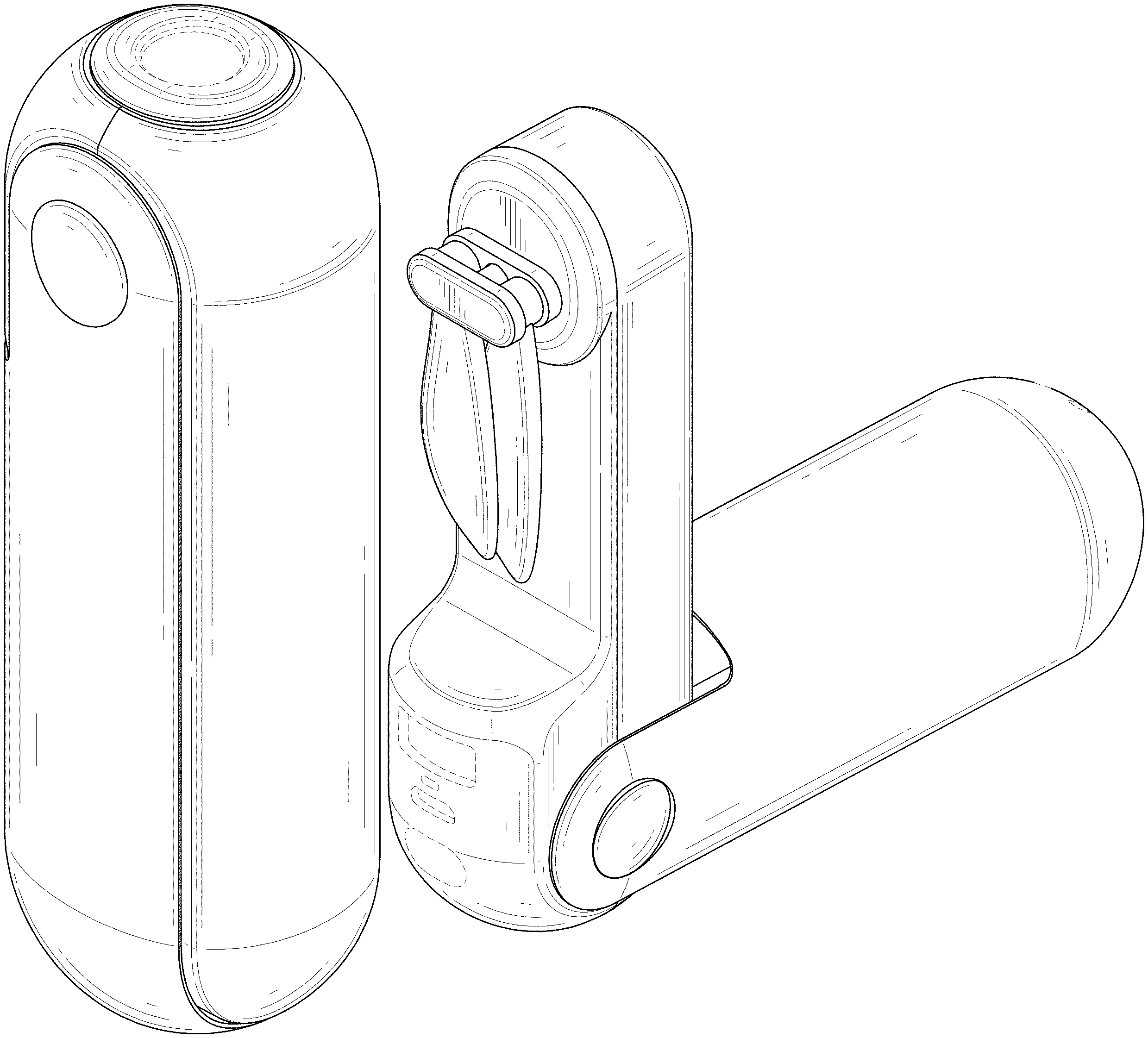
Shenzhen Jisu asserted the design patent against many online merchants in a SAD Scheme case. As usual, it got an ex parte TRO and then sought a preliminary injunction. Several defendants appeared to contest the PI, but the court granted the PI anyway.
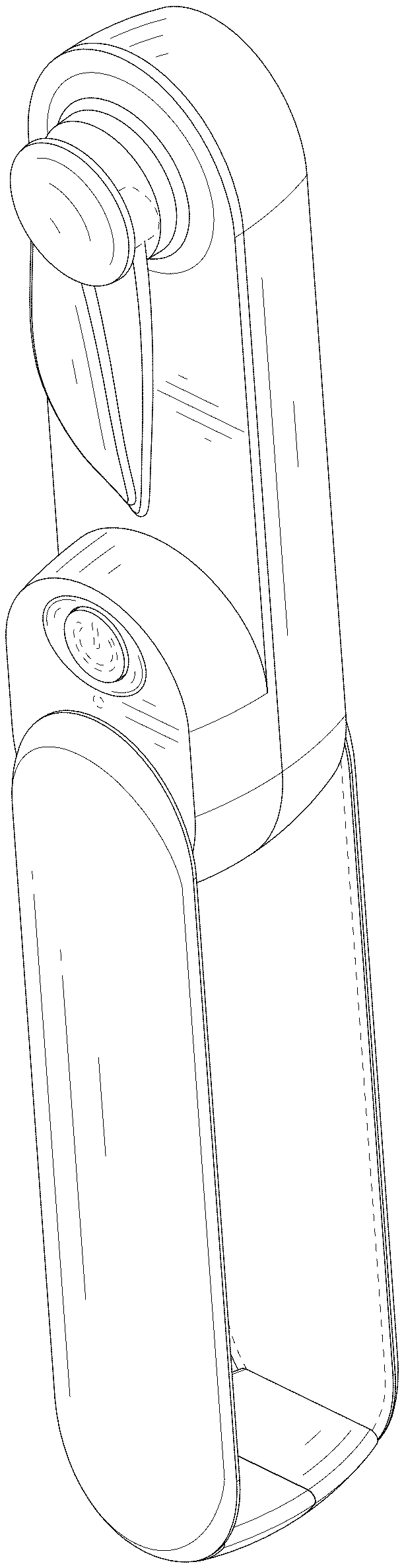
The defendants sought reconsideration from the district court judge based on the ‘104 patent, arguing (1) the defendants’ designs overlapped with the ‘104 design (essentially admitting infringement of that patent, but it seems like there was a license between the defendants and the ‘104 design patentee?), (2) the USPTO said that the ‘104 design was sufficiently distinguishable from the ‘982 design to permit the new design patent, so (3) based on those USPTO-recognized differences, the judge should conclude that the design differences do not support the PI. Despite that pretty good argument, the district court initially rejected the reconsideration.
Perhaps feeling emboldened, Shenzhen Jisu added more defendants to the case, including the ‘104 patentee. The new defendants’ appearances finally persuaded the district court judge to credit the USPTO’s distinction between the designs. The judge denied a TRO against the new defendants and dissolved the existing PI. Shenzhen Jisu appealed, but the Federal Circuit upheld the PI denial.
The opinion has some inside-baseball discussions about the standards for design patent infringement, especially the doctrine of “anticipation.” T0 summarize: there is a difference between the USPTO’s standards for patentability and the court’s evaluation of infringement. However, the USPTO’s decision to issue the ‘104 patent, knowing about the existing ‘982 patent, makes it practically difficult (impossible?) for the ‘982 patentee to successfully argue that the ‘104 design infringes.

Use of the proper legal framework cannot be sacrificed for the purposes of judicial efficiency
Judge Stoll was referring to the district court’s handling of the design patent infringement analysis, but Judge Stoll’s words pretty much encapsulate the SAD Scheme’s problems.
Two aspects of this case worth reinforcing:
1) The district court got the law wrong at the TRO stage. The TRO never should have issued in the first place. Erroneously issued ex parte TROs are not some unexpected whoops. They are inevitable in ex parte proceedings, which makes them a ubiquitous–and pernicious–part of SAD Scheme practice.
2) By combining a design patent with the SAD Scheme, Shenzhen Jisu caused substantial chaos in the marketplace. As I see it, the TRO improperly knocked non-infringing competitors out of the market, depriving consumers of the full range of legitimate choices and almost certainly raising prices to consumers. Those consumers had no voice in the litigation, so they depend entirely on judges to protect their interests, which the district court didn’t adequately do. Worse, there is almost always zero accountability for these inevitable and oh-so-common consumer harms or SAD Scheme plaintiff’s abuses. To me, that is indeed SAD. #StopTheSADScheme.
Case Citation: Shenzhen Jisu Technology Co., Ltd. v. Annex A Defendants, No. 25-1617 (Fed. Cir. July 22, 2026)
Prior Blog Posts on the SAD Scheme
- Court Rebuffs Emojico’s SAD Scheme TRO Request
- Seventh Circuit Limits Email Service to Chinese SAD Scheme Defendants–Kangol v. Hangzhou Silk
- SAD Scheme Defendant Gets Damages Payout from the Bond–Bright Head v. Schedule A Defendants
- Judge Shopping & Schedule A (Guest Blog Post)
- SAD Scheme Plaintiff Gets Default Win But Blows the Layup on Damages–Shenzen Huajie v. Shenzen Leyibei
- SAD Scheme Copyright Plaintiff Must Compensate Defendants–Shenzhen Langmi v. Schedule A Defendants
- A “But They’re ‘Counterfeiters’!” Argument Doesn’t Clinch a SAD Scheme TRO–Emojico v. Schedule A Defendants
- New Article Alert: “SAD Scheme Standing Orders”
- Greer Burns Law Firm Sanctioned for “Willfully Abusive” and “Egregious” SAD Scheme Judge-Shopping
- Schedule A: Ten Notable Developments in 2025 (Guest Blog Post)
- Second Circuit Rejects Email Service on Chinese Defendants in Baby Shark SAD Scheme Case
- 11th Circuit Sidesteps the SAD Scheme’s Problems–Ain Jeem v. Schedule A
- Another Shill Article Tries to Normalize the SAD Scheme
- Court Sanctions Plaintiff’s Lawyer for Unverified Claims That the Defendant Was Hiding–Guangzhou Youlan Technology Co. Ltd. v. Onbrill World
- SAD Scheme Cases Are a Cesspool of IP Owner Overreaches–Nike v. Quanzhou Yiyi Shoe Industry
- District of New Jersey Adopts SAD Scheme Standing Order
- Court “Sanctions” SAD Scheme Judge Shopping—Crimpit v. Schedule A Defendants
- Chicago-Kent SAD Scheme Symposium TOMORROW
- Amicus Brief Urges Seventh Circuit to Award Attorneys’ Fees in SAD Scheme Case–Louis Poulsen v. Lightzey
- Court Rejects Schedule A Claims Against Sellers of Compatible Parts/Accessories (Cross-Post)
- Judge Kness: the SAD Scheme “Should No Longer Be Perpetuated in Its Present Form”–Eicher Motors v. Schedule A Defendants
- SAD Scheme Lawyers Sanctioned for Judge-Shopping–Dongguan Deego v. Schedule A
- Judge Ranjan Cracks Down on SAD Scheme Cases
- Because the SAD Scheme Disregards Due Process, Errors Inevitably Ensue–Modlily v. Funlingo
- SAD Scheme-Style Case Falls Apart When the Defendant Appears in Court—King Spider v. Pandabuy
- Serial Copyright Plaintiff Lacks Standing to Enforce Third-Party Copyrights–Viral DRM v 7News
- Another N.D. Ill. Judge Balks at SAD Scheme Joinder–Zaful v. Schedule A Defendants
- Judge Rejects SAD Scheme Joinder–Toyota v. Schedule A Defendants
- Another Judge Balks at SAD Scheme Joinder–Xie v. Annex A
- Will Judges Become More Skeptical of Joinder in SAD Scheme Cases?–Dongguan Juyuan v. Schedule A
- SAD Scheme Leads to Another Massively Disproportionate Asset Freeze–Powell v. Schedule A
- Misjoinder Dooms SAD Scheme Patent Case–Wang v. Schedule A Defendants
- Judge Hammers SEC for Lying to Get an Ex Parte TRO–SEC v. Digital Licensing
- Judge Reconsiders SAD Scheme Ruling Against Online Marketplaces–Squishmallows v. Alibaba
- N.D. Cal. Judge Pushes Back on Copyright SAD Scheme Cases–Viral DRM v. YouTube Schedule A Defendants
- A Judge Enumerates a SAD Scheme Plaintiff’s Multiple Abuses, But Still Won’t Award Sanctions–Jiangsu Huari Webbing Leather v. Schedule A Defendants
- Why Online Marketplaces Don’t Do More to Combat the SAD Scheme–Squishmallows v. Alibaba
- SAD Scheme Cases Are Always Troubling–Betty’s Best v. Schedule A Defendants

- Judge Pushes Back on SAD Scheme Sealing Requests
- Roblox Sanctioned for SAD Scheme Abuse–Roblox v. Schedule A Defendants
- Now Available: the Published Version of My SAD Scheme Article
- In a SAD Scheme Case, Court Rejects Injunction Over “Emoji” Trademark
- Schedule A (SAD Scheme) Plaintiff Sanctioned for “Fraud on the Court”–Xped v. Respect the Look
- My Comments to the USPTO About the SAD Scheme and Anticounterfeiting/Antipiracy Efforts
- My New Article on Abusive “Schedule A” IP Lawsuits Will Likely Leave You Angry
- If the Word “Emoji” is a Protectable Trademark, What Happens Next?–Emoji GmbH v. Schedule A Defendants
- My Declaration Identifying Emoji Co. GmbH as a Possible Trademark Troll
